
How Do New Batteries Improve Performance? A Comprehensive Guide


Introduction to Battery Performance
In today's fast-paced world, the demand for energy-efficient and high-performance batteries is more crucial than ever. Whether it's powering your smartphone, laptop, or electric vehicle, the performance of batteries has a significant impact on our daily lives. Understanding how new batteries improve performance can help consumers make informed choices.

The Science Behind Battery Improvement
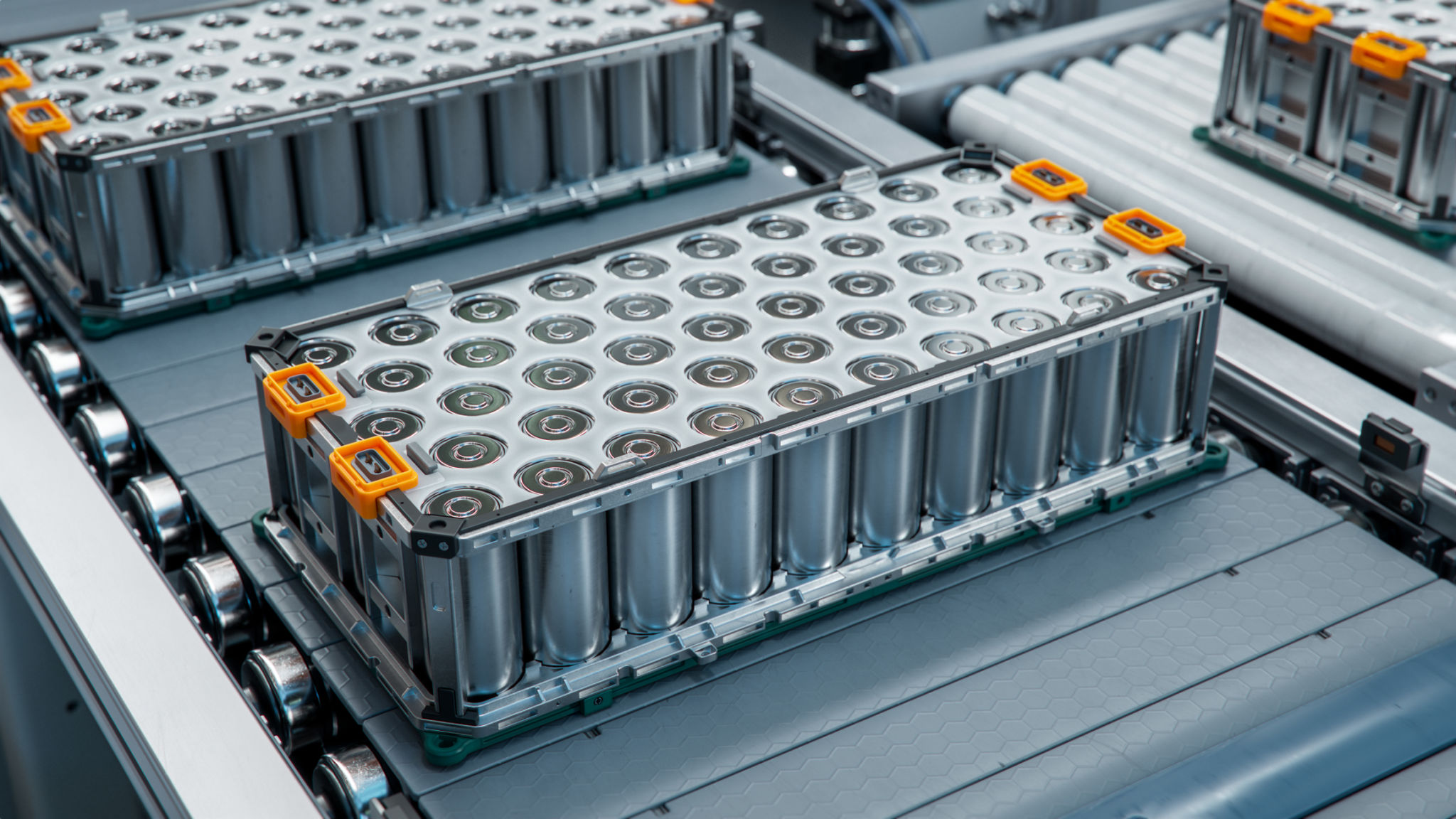
Battery performance is primarily determined by its capacity, lifespan, and efficiency. Advances in technology have led to the development of new materials and designs, enhancing these key aspects. For example, lithium-ion batteries have revolutionized the industry by offering higher energy densities and longer life cycles compared to traditional lead-acid batteries.
Recent innovations like solid-state batteries are pushing the boundaries even further. By replacing the liquid or gel electrolyte with a solid material, these batteries promise increased safety, energy density, and longevity.
Key Factors in Battery Performance
Several factors contribute to the performance of new batteries:
- Energy Density: Higher energy density means more power is packed into a smaller space, making devices lighter and more compact.
- Charge Cycles: A longer lifespan results from the ability to withstand more charge and discharge cycles without significant capacity loss.
- Fast Charging: New technologies allow for quicker charging times, a critical feature for consumer convenience.
The Role of Materials in Battery Evolution
The choice of materials plays a vital role in battery performance. Innovations in materials science have led to the development of batteries that are not only more efficient but also more environmentally friendly. For instance, the use of silicon anodes in lithium-ion batteries can significantly increase capacity.

Sustainability and Environmental Impact
As the world shifts towards sustainable energy solutions, the environmental impact of batteries is under scrutiny. New batteries are being designed with recyclability and reduced environmental footprint in mind. By using less harmful materials and improving recycling processes, manufacturers are addressing these concerns.
Applications Driving the Demand for New Batteries
The demand for improved battery performance is driven by various applications, from consumer electronics to electric vehicles and renewable energy storage. Each application has unique requirements, pushing manufacturers to innovate continuously.
Future Trends in Battery Technology
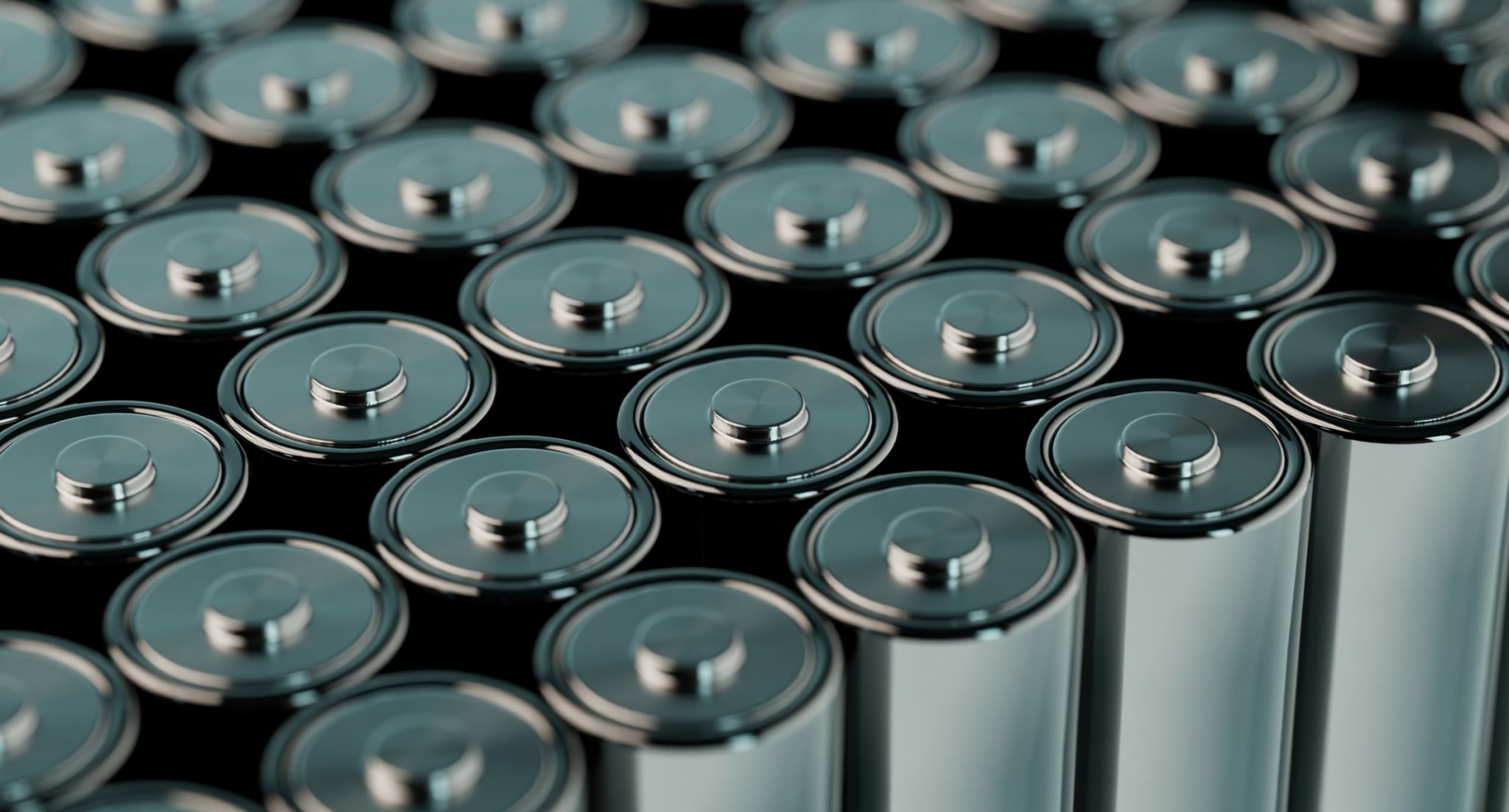
The future of battery technology looks promising, with trends focusing on enhancing energy density, reducing costs, and improving safety. Breakthroughs in nanotechnology and alternative materials are expected to drive the next wave of innovations.
In conclusion, new batteries are improving performance in multiple ways, from increasing energy density to enhancing sustainability. As technology continues to evolve, the impact of these advancements will be felt across various industries, leading to a more efficient and sustainable future.