
Electric Lifestyle Myths: What You Need to Know


Understanding Electric Lifestyle Myths
As the world shifts towards more sustainable living, the electric lifestyle is becoming increasingly popular. However, this transition is often clouded by misconceptions. Let’s debunk some of the most common myths surrounding electric living.
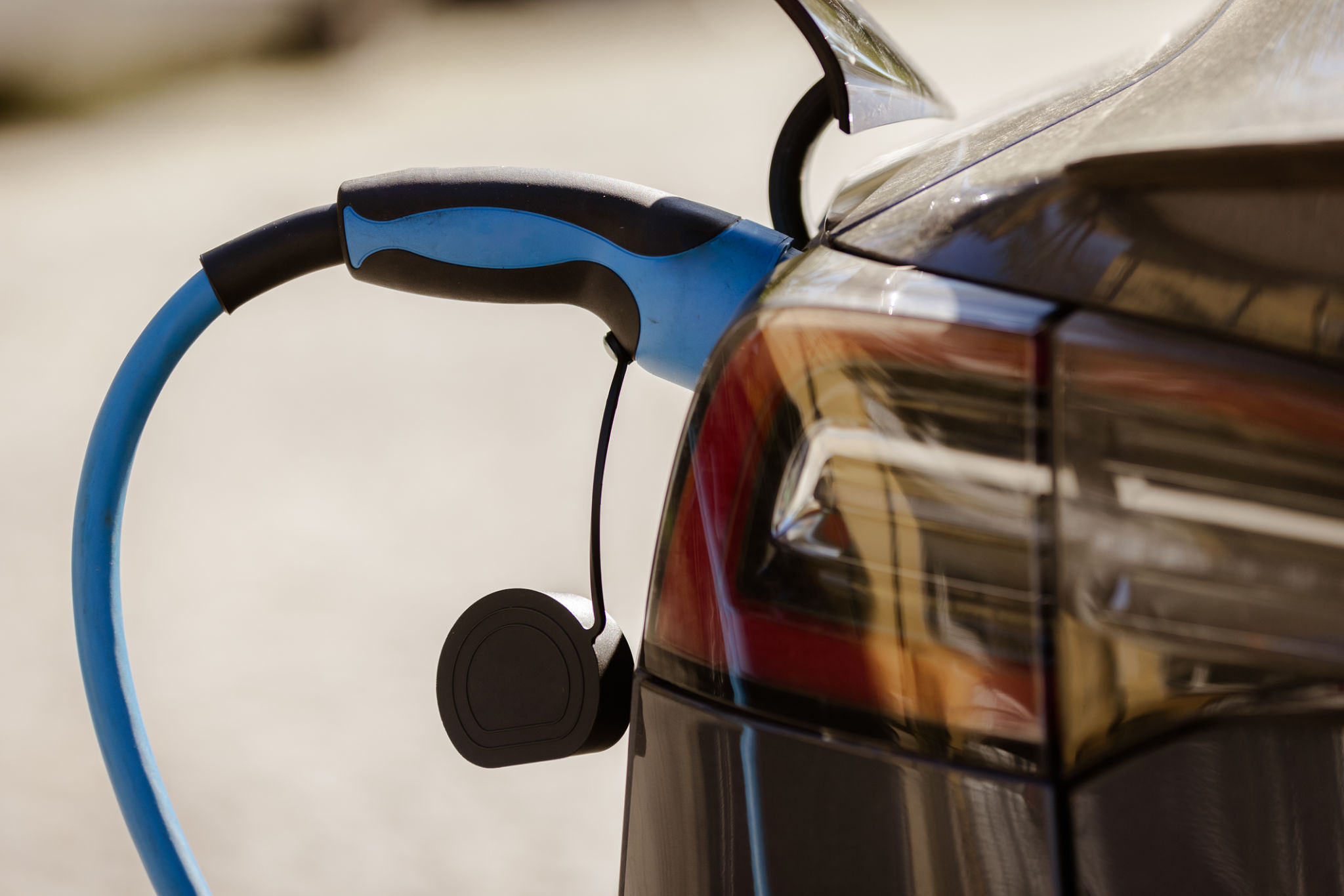
Myth 1: Electric Vehicles Are Too Expensive
One of the most prevalent myths is that electric vehicles (EVs) are prohibitively expensive. While it's true that the initial purchase price can be higher than traditional vehicles, it’s essential to consider the long-term savings on fuel and maintenance. EVs have fewer moving parts, leading to lower repair costs over time.
Moreover, many governments offer incentives and rebates, reducing the overall cost. With advances in technology, prices are expected to continue decreasing, making EVs more accessible to the average consumer.
Myth 2: Limited Range and Charging Options
Another common concern is the driving range of EVs. Many believe that electric cars can't travel far enough on a single charge. However, modern EVs can travel over 200 miles on a single charge, with some models exceeding 300 miles.

Charging infrastructure is also rapidly expanding. Public charging stations are becoming more widespread, and home charging options are convenient and efficient. For most daily commutes, charging overnight is more than sufficient.
Myth 3: Electric Appliances Are Less Effective
Some consumers are hesitant to switch to electric appliances, fearing they are less effective than their gas-powered counterparts. In reality, electric appliances often offer superior performance. For instance, electric heaters provide instant heat, and induction cooktops offer precise temperature control.
- Electric ovens offer consistent temperatures, leading to better cooking results.
- Electric water heaters are efficient and can supply hot water quickly.

Myth 4: The Environmental Impact Isn't Significant
There is a misconception that switching to an electric lifestyle doesn't significantly impact the environment. This couldn't be further from the truth. Electric vehicles produce zero emissions, greatly reducing air pollution.
Additionally, as the energy grid becomes greener with increasing renewable energy sources, the environmental benefits of electric living will continue to grow. By choosing electric, individuals contribute to a more sustainable and cleaner future.
Embracing the Electric Future
Debunking these myths is crucial for embracing the electric lifestyle. As technology advances and infrastructure improves, the electric lifestyle becomes not only a feasible option but a smart choice for those looking to reduce their carbon footprint.
Understanding the reality behind these myths empowers consumers to make informed decisions, paving the way for a more sustainable future for everyone.